
Exploring the realm of siding roofing contractors opens up a world of possibilities and considerations. From the choice of materials to the installation process, there are numerous factors to delve into for a successful project. Let's embark on this journey together to uncover the key aspects of siding roofing contractors.
Types of Siding Materials
When it comes to siding materials used by roofing contractors, there are several common options available. Each type of material has its own set of benefits and considerations, including durability, aesthetic appeal, and maintenance requirements.
Vinyl Siding
- Vinyl siding is a popular choice due to its affordability and low maintenance requirements.
- This material is durable and resistant to rotting, fading, and insect damage.
- However, vinyl siding may crack or become brittle over time, especially in extreme weather conditions.
Wood Siding
- Wood siding provides a natural and timeless look to a home.
- It can be painted or stained in various colors to suit different preferences.
- However, wood siding requires regular maintenance such as painting, staining, and sealing to protect it from moisture and pests.
Fiber Cement Siding
- Fiber cement siding is known for its durability and resistance to rot, fire, and pests.
- It can mimic the look of wood or stucco but with lower maintenance requirements.
- However, fiber cement siding may be more costly upfront compared to other materials.
Metal Siding
- Metal siding, such as aluminum or steel, is highly durable and resistant to fire, rot, and pests.
- It offers a modern and industrial aesthetic to a home.
- Metal siding is low maintenance but may be prone to dents or scratches over time.
Siding Installation Process
When it comes to siding installation, roofing contractors follow a specific step-by-step process to ensure a successful and durable outcome. This process involves careful planning, precise measurements, and skilled craftsmanship to achieve the desired results.
Preparation and Planning
Before beginning the installation, contractors will assess the condition of the existing siding and prepare the area for the new installation. This may involve removing old siding, repairing any damaged areas, and ensuring the surface is clean and ready for the new siding.
Measurement and Cutting
Accurate measurements are crucial in siding installation to ensure a proper fit and seamless finish. Contractors will carefully measure the dimensions of the walls and cut the siding panels accordingly to fit the specific requirements of each section.
Installation and Fastening
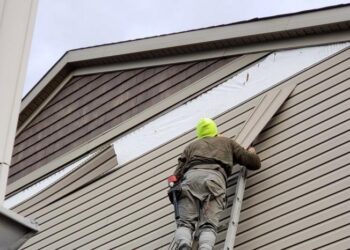
Once the preparation and cutting are completed, contractors will begin installing the siding panels. They will attach the panels to the walls using appropriate fasteners, ensuring they are securely in place and properly aligned to create a uniform look across the entire surface.
Finishing Touches
After the siding panels are installed, contractors will focus on finishing touches such as corner pieces, trim, and caulking. These details are essential for a polished and professional appearance, providing both aesthetic appeal and functional durability.
Tools and Equipment
To carry out the siding installation process effectively, contractors require a range of tools and equipment. Common items include a tape measure, circular saw, level, hammer, nails, screws, and a nail gun. Additionally, specialized tools such as siding gauges and zip tools may be needed for specific types of siding materials.
Challenges and Solutions
During the installation process, contractors may encounter challenges such as uneven walls, tricky angles, or inclement weather conditions. To overcome these obstacles, experienced contractors rely on their problem-solving skills, adaptability, and expertise to find effective solutions
Importance of Proper Ventilation
Proper ventilation is crucial for both siding and roofing systems to function effectively and maintain their longevity. Without adequate ventilation, moisture can build up, leading to a host of issues such as mold growth, wood rot, and even structural damage.
Impact on Siding Materials
Inadequate ventilation can significantly reduce the lifespan of siding materials. When moisture becomes trapped behind the siding, it can cause warping, decay, and premature deterioration. This not only affects the appearance of the property but also compromises its structural integrity.
Best Practices for Ensuring Adequate Ventilation
- Install soffit and ridge vents to promote air circulation in the attic space and prevent moisture buildup.
- Consider the use of gable vents or attic fans to enhance airflow and reduce humidity levels.
- Regularly inspect and maintain ventilation systems to ensure they are functioning properly and efficiently.
- Consult with professional contractors to assess the ventilation needs of your specific property and make any necessary adjustments.
Maintenance and Repair Services
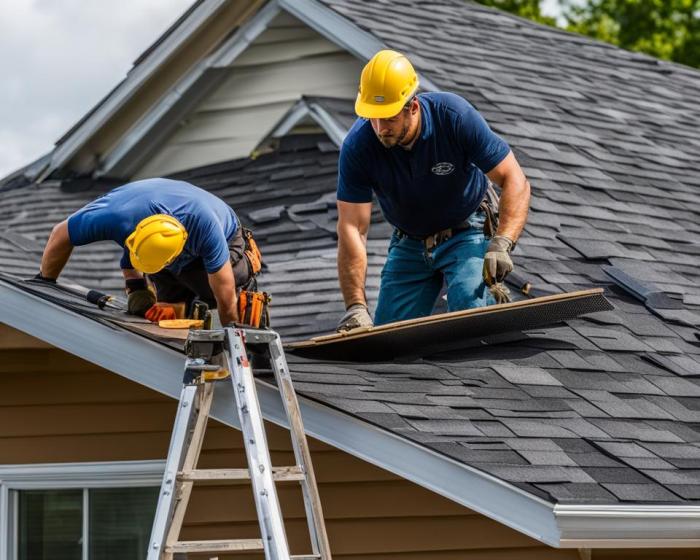
Regular maintenance and repair services are crucial for ensuring the longevity and structural integrity of your siding. Siding roofing contractors typically offer a range of maintenance tasks to keep your siding in top condition, as well as providing professional repair services when issues arise.
Importance of Regular Inspections
Regular inspections play a key role in identifying any potential issues with your siding before they worsen. By conducting routine inspections, contractors can catch problems early on and prevent costly repairs down the line. Some common maintenance tasks that contractors offer include:
- Checking for signs of water damage or mold growth
- Inspecting for cracks, holes, or warping in the siding
- Cleaning the siding to remove dirt, debris, and mildew
- Ensuring proper sealing and weatherproofing
Common Siding Issues Requiring Professional Repair
There are several common siding issues that may require professional repair services to address effectively. These issues can include:
- Cracked or loose siding panels
- Water damage or rot
- Pest infestations, such as termites or carpenter ants
- Warping or buckling of the siding material
It is essential to address these issues promptly to prevent further damage to your siding and maintain the overall aesthetics and structural integrity of your home. Regular maintenance and timely repairs can significantly extend the lifespan of your siding and protect your investment in your property.
Outcome Summary
In conclusion, siding roofing contractors play a crucial role in the protection and aesthetics of your property. By understanding the importance of proper ventilation, maintenance, and repair services, you can ensure the longevity and durability of your siding. Remember, choosing the right contractor is essential for a seamless and efficient project.
Question Bank
What are the common challenges faced by siding roofing contractors during installation?
Some common challenges include inclement weather, uneven surfaces, and coordinating with other trades on the job site.
How can inadequate ventilation impact the lifespan of siding materials?
Poor ventilation can lead to moisture buildup, which in turn can cause rot, mold, and deterioration of the siding material over time.
What are some maintenance tasks that siding roofing contractors typically offer to clients?
Services may include cleaning, painting, sealing, and inspecting for any damage or wear that needs attention.