
New siding and windows cost is a crucial aspect to consider when renovating or upgrading your home. This guide delves into the various factors influencing these costs, different material options available, and the overall return on investment. Let's unravel the intricacies of pricing and quality to help you make informed decisions for your home improvement project.
As we navigate through the details, you'll gain valuable insights into the installation process, maintenance requirements, and long-term benefits of investing in new siding and windows. Get ready to discover all you need to know about enhancing your home's exterior with the right choices.
Factors Affecting New Siding and Windows Cost
When considering the cost of installing new siding and windows, several factors come into play that can influence the overall price. These factors include material choice, size of the project, and labor costs.
Material Choice
The type of material you choose for your siding and windows can greatly impact the cost of the project. For example, vinyl siding is generally more affordable than fiber cement or wood siding options. Similarly, windows made from basic aluminum frames are often cheaper than those with energy-efficient features like double or triple panes.
Size of the Project
The size of your project, in terms of the square footage of siding needed or the number of windows to be replaced, will also affect the overall cost. Larger projects require more materials and labor, driving up the total expense.
Additionally, complex designs or custom sizes may result in higher costs compared to standard installations.
Labor Costs
Labor costs play a significant role in determining the total cost of new siding and windows. The complexity of the installation, the skill level required, and the location of your home can all impact labor costs. For instance, if your project involves intricate details or requires specialized techniques, it may require more time and expertise, leading to higher labor expenses.
Types of Siding and Windows
When it comes to choosing siding and windows for your home, there are various options available in the market to suit different needs and preferences.
Siding Materials
- Vinyl Siding: One of the most popular choices due to its affordability, durability, and low maintenance requirements.
- Fiber Cement Siding: Known for its strength and resistance to fire, moisture, and insects, but it can be more expensive than vinyl.
- Wood Siding: Provides a natural and timeless look, but requires more maintenance to prevent rot and insect damage.
- Aluminum Siding: Lightweight and resistant to corrosion, but may dent easily and require repainting over time.
- Brick Siding: Offers a classic and elegant appearance with excellent durability and low maintenance, but comes with a higher price tag.
Window Options
- Single Pane Windows: Basic and economical option, but lack energy efficiency and insulation, leading to higher utility bills.
- Double Pane Windows: Feature two layers of glass with a gas-filled space in between for better insulation and energy efficiency.
- Triple Pane Windows: Provide even higher energy efficiency and sound insulation compared to double pane windows, but come at a higher cost.
- Low-E Coating Windows: Include a special coating to reduce heat transfer and UV rays, improving energy efficiency and protecting furniture from sun damage.
- Impact-Resistant Windows: Designed to withstand extreme weather conditions and potential break-ins, offering enhanced safety and security.
Cost Breakdown

When it comes to installing new siding and windows, understanding the cost breakdown is crucial. This includes both material costs and labor expenses, which can vary depending on the type of siding and windows chosen.
Siding Costs
- Vinyl Siding: On average, vinyl siding can cost between $3 to $7 per square foot for materials, with labor costs ranging from $2 to $5 per square foot.
- Fiber Cement Siding: The cost of fiber cement siding can range from $5 to $12 per square foot for materials, with labor expenses averaging around $5 to $8 per square foot.
- Wood Siding: Wood siding tends to be more expensive, with material costs ranging from $6 to $15 per square foot, and labor expenses around $7 to $10 per square foot.
Windows Costs
- Single-Hung Windows: The average cost for single-hung windows can vary from $100 to $400 per window, depending on the quality and size.
- Double-Hung Windows: Double-hung windows are slightly more expensive, with prices ranging from $150 to $600 per window, including installation.
- Casement Windows: Casement windows can cost between $200 to $1,400 per window, depending on factors like material and size.
Return on Investment (ROI)
Upgrading to new siding and windows can offer homeowners a significant return on investment in several ways. Not only can it improve the overall look and curb appeal of the home, but it can also lead to long-term cost savings and increased energy efficiency.
Potential Cost Savings with Energy-Efficient Materials
Energy-efficient siding and windows can help reduce heating and cooling costs by improving insulation and minimizing air leaks. By investing in these materials, homeowners can expect to see a decrease in their energy bills over time. According to the U.S
Department of Energy, energy-efficient windows can save homeowners up to $465 a year on utility bills.
Increased Property Value
In addition to cost savings on energy bills, upgrading to new siding and windows can also increase the overall value of the property. Potential buyers are often willing to pay more for a home that is well-maintained and energy-efficient, making it a wise investment for homeowners looking to sell in the future.
Enhanced Curb Appeal
New siding and windows can enhance the curb appeal of a home, making it more attractive to potential buyers and increasing its overall market value. By improving the exterior appearance of the home, homeowners can expect a higher return on investment when it comes time to sell.
Long-Term Durability
Investing in high-quality siding and windows can also lead to long-term durability and reduced maintenance costs. By choosing materials that are resistant to weathering and wear, homeowners can avoid frequent repairs and replacements, ultimately saving money in the long run.
Installation Process
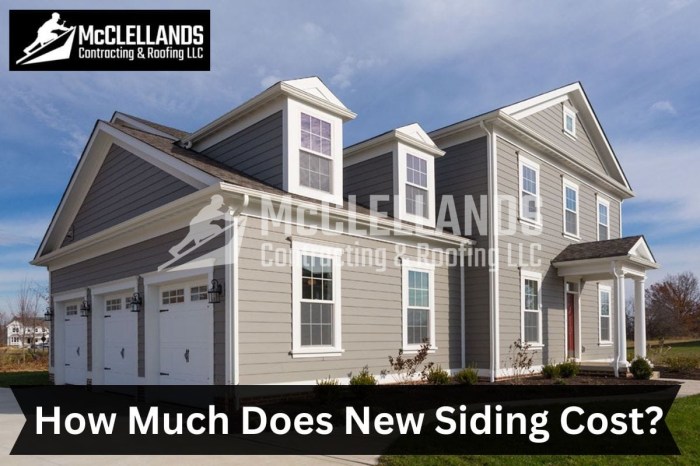
When it comes to installing new siding and windows, there are several typical steps involved in the process. Homeowners should be aware of these steps to ensure a smooth installation experience and successful outcome.
Preparing the Area
Before the installation begins, the area where the new siding and windows will be installed needs to be prepared. This may involve removing existing siding, windows, or any obstacles that could hinder the installation process.
Measurement and Customization
Accurate measurements are crucial for a proper fit when installing new siding and windows. Customization may be required to ensure that the siding and windows fit perfectly, especially in older homes or non-standard sizes.
Installation of Siding
The installation of siding typically involves securing the siding material to the exterior of the home. This process may vary depending on the type of siding chosen, such as vinyl, wood, or fiber cement. Proper installation techniques are essential to prevent issues like water infiltration or damage.
Installation of Windows
Installing new windows involves removing the old windows, fitting the new ones into place, and sealing them properly to ensure energy efficiency and insulation. Proper installation is crucial to prevent air leaks, drafts, and water damage.
Finishing Touches
Once the siding and windows are installed, finishing touches such as caulking, trim work, and painting may be necessary to complete the look and ensure a seamless integration with the rest of the home's exterior.
Challenges and Considerations
During the installation process, homeowners should be aware of potential challenges such as weather delays, unexpected structural issues, or the need for additional repairs. It's important to work with experienced professionals to navigate these challenges and ensure a successful installation.
Maintenance and Longevity
Regular maintenance is essential for ensuring the longevity of both siding and windows. Different materials require varying levels of upkeep to remain in good condition. Neglecting maintenance can lead to premature wear and tear, reducing the lifespan of these components and increasing overall costs in the long run.
Maintenance Requirements for Different Siding and Window Materials
- Vinyl Siding: Vinyl siding is relatively low maintenance, requiring occasional cleaning with a mild detergent and water to remove dirt and grime. Inspect for any cracks or damage that may need repair.
- Fiber Cement Siding: Fiber cement siding needs to be repainted every 5-10 years to maintain its protective coating and prevent moisture infiltration. Regular inspections for cracks and gaps are crucial.
- Wood Siding: Wood siding demands regular painting or staining every 3-7 years to protect it from weather damage and rot. It's important to address any signs of water damage promptly.
- Aluminum Windows: Aluminum windows should be cleaned regularly to prevent corrosion and oxidation. Lubricate moving parts to ensure smooth operation and prevent sticking.
- Vinyl Windows: Vinyl windows are low maintenance, requiring occasional cleaning with soap and water. Check for any signs of seal failure or damage to the frame.
Summary
In conclusion, understanding the cost implications of new siding and windows is essential for any homeowner looking to elevate their property's aesthetics and functionality. By weighing the factors discussed in this guide, you can make sound decisions that not only enhance your home's curb appeal but also provide long-lasting value.
Embark on your home improvement journey with confidence and clarity, knowing the true worth of investing in quality siding and windows.
Questions Often Asked
What factors can influence the cost of new siding and windows?
Factors such as material choice, project size, and labor costs play a significant role in determining the overall cost of installing new siding and windows.
How can energy-efficient materials impact the return on investment?
Investing in energy-efficient materials for siding and windows can lead to long-term cost savings through reduced energy bills, enhancing the overall return on investment for homeowners.
What are the main steps involved in the installation process?
The installation process typically includes preparation, removal of old siding/windows, installation of new materials, and finishing touches to ensure a seamless and durable result.
How does regular maintenance affect the longevity of siding and windows?
Regular upkeep and maintenance of siding and windows can significantly extend their lifespan, contributing to their overall cost-effectiveness over time.