
Exploring the world of Hardie siding houses, this introduction delves into the various aspects of this popular construction material. From its durability to design options, readers will uncover the key features that make Hardie siding a top choice for homeowners.
Introduction to Hardie Siding Houses
Hardie siding, also known as James Hardie siding, is a type of fiber cement siding that is known for its durability and low maintenance requirements. Made from a mixture of wood fibers, cement, and sand, Hardie siding is designed to withstand harsh weather conditions and resist damage from insects, rot, and fire.
Popularity of Hardie Siding
Hardie siding has become increasingly popular in residential construction due to its ability to mimic the look of traditional wood siding while offering superior durability and longevity. Homeowners appreciate the low maintenance requirements and long-lasting performance of Hardie siding, making it a cost-effective choice in the long run.
Durability and Maintenance
- Hardie siding is incredibly durable and can last for several decades with proper installation and maintenance.
- Unlike wood siding, Hardie siding is resistant to warping, cracking, and rotting, making it an ideal choice for regions with extreme weather conditions.
- Regular cleaning with a hose and mild detergent is usually sufficient to keep Hardie siding looking great, eliminating the need for frequent painting or staining.
Installation of Hardie Siding
Installing Hardie siding on a house involves several key steps to ensure a successful and long-lasting outcome. It is important to follow these steps carefully and use the right tools and materials for the job.
Steps for Installing Hardie Siding
- Prepare the surface: Make sure the surface where the siding will be installed is clean, smooth, and properly sealed.
- Measure and cut the siding: Accurately measure the dimensions of each siding piece and cut them to fit using a circular saw with a carbide-tipped blade.
- Install the starter strip: Begin by installing a starter strip at the bottom of the wall to provide a secure base for the siding panels.
- Attach the siding panels: Nail or screw the siding panels to the wall, making sure to leave a small gap for expansion and contraction.
- Overlap the joints: Properly overlap the joints between siding panels to prevent water infiltration and ensure a seamless appearance.
- Finish with trim: Install trim pieces around windows, doors, and corners to complete the look and provide additional protection.
Tools and Materials Required
- Hardie siding panels
- Circular saw with carbide-tipped blade
- Nails or screws
- Starter strip
- Trim pieces
- Tape measure
- Level
- Hammer or screwdriver
Tips for Proper Alignment and Finishing
- Use a level to ensure the siding panels are installed straight and level.
- Leave a small gap between panels for expansion and contraction.
- Overlap joints correctly to prevent water infiltration.
- Trim corners and edges neatly for a professional finish.
- Follow manufacturer's guidelines for installation to ensure warranty coverage.
Design Options with Hardie Siding
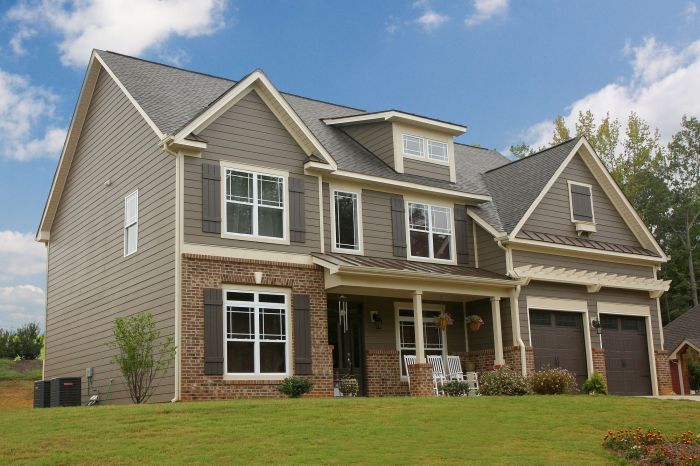
Hardie siding offers a wide range of design options that can enhance the visual appeal of your home while providing the durability and low maintenance benefits of fiber cement siding. Hardie siding is designed to mimic the look of traditional materials such as wood or stone, giving you the flexibility to achieve the desired aesthetic for your home without compromising on performance.
Whether you prefer the rustic charm of wood siding or the timeless elegance of stone, Hardie siding can replicate these looks with precision.
Color Palettes and Textures
Hardie siding comes in a variety of color palettes to suit different architectural styles and personal preferences. From classic neutrals like white and gray to bold statement colors like deep blue or forest green, you can find the perfect shade to complement your home's exterior.In addition to a wide range of colors, Hardie siding also offers various textures to add depth and character to your home.
Whether you prefer a smooth finish for a modern look or a textured surface for a more rustic feel, Hardie siding has options to suit every taste. The combination of color choices and textures allows you to customize your home's exterior to reflect your unique style and enhance its curb appeal.
Maintenance and Longevity of Hardie Siding
Proper maintenance is crucial to ensuring the longevity of Hardie siding on houses. By following some key steps and addressing common issues promptly, you can extend the lifespan of your siding significantly.
Proper Maintenance Techniques
- Regularly inspect the siding for any signs of damage, such as cracks, chips, or moisture buildup.
- Clean the siding at least once a year using a mild detergent and a soft brush to remove dirt, mold, and mildew.
- Trim back trees and bushes near the siding to prevent damage from branches rubbing against the surface.
- Repaint or touch up any areas where the paint has started to peel or fade to protect the siding from the elements.
Common Issues and Solutions
- Moisture Damage: Address any leaks or water penetration immediately to prevent rot and mold growth. Ensure proper caulking and sealing around windows, doors, and other openings.
- Cracking and Chipping: Repair any cracks or chips in the siding promptly to prevent further damage. Use a high-quality caulk or patching compound for minor repairs.
- Fading: To prevent fading, choose high-quality paint and consider applying a UV-resistant finish to protect the siding from sun damage.
Tips for Extending Lifespan
- Regularly clean and inspect the siding to catch any issues early on before they escalate.
- Consider applying a fresh coat of paint every 5-7 years to maintain the appearance and protect the siding.
- Avoid using harsh chemicals or power washing, as these can damage the siding and reduce its lifespan.
Final Summary
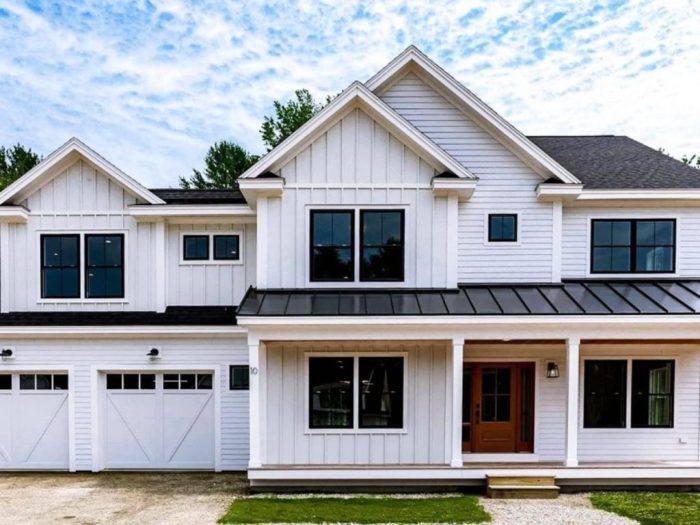
In conclusion, Hardie siding houses offer a perfect blend of style and functionality. With its low maintenance requirements and long-lasting durability, it's no wonder why more and more people are opting for Hardie siding. Dive into the world of Hardie siding houses and transform your home with this versatile material.
Clarifying Questions
How do I maintain Hardie siding?
To maintain Hardie siding, regularly clean it with water and a mild detergent. Inspect for any damage and make repairs promptly to prevent further issues.
Can Hardie siding mimic the look of wood?
Yes, Hardie siding offers a variety of design options that can closely resemble the look of wood, providing a classic aesthetic without the maintenance issues of real wood.
What tools are needed for installing Hardie siding?
Tools needed for installing Hardie siding include a circular saw, tape measure, hammer, nails, caulking gun, and a siding shear.