
Embark on a journey through the captivating world of Craftsman architecture, where meticulous craftsmanship and intricate design details come together to create stunning homes with a rich history. This introduction sets the stage for a deep dive into the key features, characteristics, and preservation of this iconic architectural style.
Craftsman architecture is more than just a design choice—it's a reflection of a bygone era where quality and artistry were paramount. Let's delve into the nuances of this style and uncover what makes it truly timeless.
Overview of Craftsman Architecture
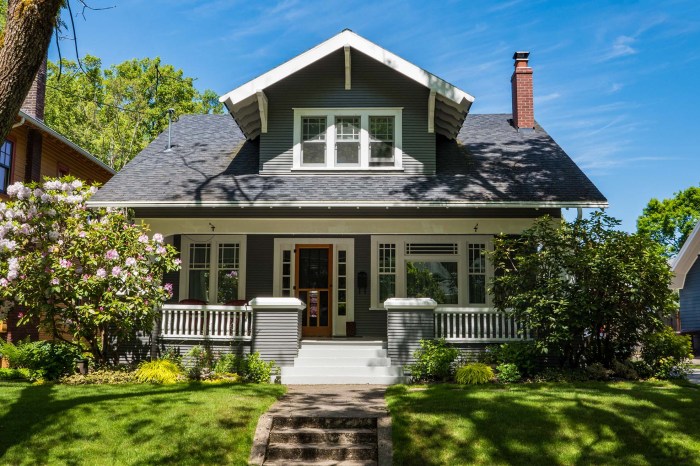
Craftsman architecture is characterized by its emphasis on natural materials, handcrafted details, and a connection to the surrounding landscape. Key features include low-pitched gable roofs, overhanging eaves, exposed rafters, and decorative beams. Large front porches, tapered columns, and built-in cabinetry are also common in Craftsman homes.Craftsman architecture emerged in the early 20th century as a reaction against the excesses of Victorian design.
Influenced by the Arts and Crafts movement, which valued craftsmanship and simplicity, Craftsman architecture aimed to create homes that were both beautiful and functional. This style was popularized by architect Gustav Stickley and became synonymous with the American bungalow.Craftsman architecture can be found throughout the United States, with a particular concentration in California, the Pacific Northwest, and the Midwest.
These regions embraced the Craftsman style for its connection to nature and its promotion of handcrafted design elements. Today, Craftsman homes remain popular for their timeless appeal and cozy charm.
Characteristics of Craftsman Architecture
Craftsman architecture is known for its unique characteristics that set it apart from other styles. Some key features include:
Materials Used in Craftsman Architecture
Craftsman architecture typically incorporates natural materials such as wood, stone, and brick. These materials are often left exposed to showcase their natural beauty and texture. Additionally, earthy tones and muted colors are commonly used to complement the organic feel of the materials.
Emphasis on Craftsmanship and Handiwork
Craftsman design places a strong emphasis on craftsmanship and handiwork. This is evident in the intricate detailing, custom-built elements, and handcrafted finishes that are characteristic of Craftsman homes. From hand-carved woodwork to artisanal tile work, every aspect of a Craftsman home is crafted with care and attention to detail.
Comparison with Other Architectural Styles
When compared to other architectural styles such as Victorian or Colonial, Craftsman architecture stands out for its simplicity, natural materials, and focus on craftsmanship. While Victorian homes are ornate and elaborate, Craftsman homes are known for their clean lines and simplicity.
Similarly, Colonial homes often feature more formal and symmetrical designs, whereas Craftsman homes embrace a more relaxed and informal aesthetic.
Interior Design Elements in Craftsman Architecture
Craftsman architecture is known for its attention to detail and emphasis on natural materials, which is carried through to the interior design elements of Craftsman homes. Let's explore the unique features that make up the interior design of Craftsman architecture.
Interior Layout and Floor Plans
In Craftsman homes, the interior layout often features an open floor plan that allows for seamless flow between rooms. Common elements include spacious living areas, cozy reading nooks, and built-in window seats
Built-in Furniture and Design Details
One of the hallmarks of Craftsman interiors is the use of built-in furniture such as bookcases, benches, and cabinetry. These elements are often crafted from rich wood like oak or cherry, adding warmth and character to the space. Design details like exposed beams, wood paneling, and intricate hardware further enhance the Craftsman aesthetic.
Natural Light Incorporation
Craftsman architecture values the connection to nature, and natural light plays a key role in the design of Craftsman interiors. Large windows, often with geometric patterns in the glass, allow sunlight to flood into the space. Transom windows above doors and skylights are also common features that maximize the use of natural light in Craftsman homes.
Preservation and Restoration of Craftsman Architecture
Preserving and restoring Craftsman architecture is crucial to maintaining the historical integrity and charm of these homes. Here are some tips on how to effectively preserve and restore original Craftsman architectural features.
Tips for Preservation
- Regular maintenance: Conduct routine inspections and repairs to address any issues promptly.
- Use appropriate materials: When making repairs or replacements, ensure that materials match the original ones used in the construction of the home.
- Respect the original design: Preserve elements such as woodwork, built-in cabinetry, and decorative details that define Craftsman architecture.
Challenges in Restoration
Restoring Craftsman homes can present unique challenges due to the age of the structures and the need to maintain authenticity. Here are some common challenges and techniques involved in restoring Craftsman architecture.
- Structural repairs: Addressing issues such as foundation problems, rotting wood, and termite damage while preserving the original structure.
- Matching finishes: Finding paints, stains, and finishes that replicate the original look of the home.
- Historical accuracy: Researching the history of the home and ensuring that any restoration work aligns with the original design and materials used.
Successful Restoration Projects
There have been numerous successful restoration projects of Craftsman architecture that showcase the beauty and craftsmanship of these homes. One notable example is the Gamble House in Pasadena, California, which has been meticulously restored to its original glory, preserving its iconic Craftsman features.
End of Discussion
As we conclude our exploration of Craftsman architecture, one thing becomes clear: this style is not just a trend, but a lasting legacy of craftsmanship and beauty. From the intricate interior design elements to the challenges of preservation, Craftsman architecture continues to inspire and captivate admirers around the world.
FAQ Insights
What are the key features of Craftsman architecture?
Craftsman architecture is characterized by its emphasis on natural materials, handcrafted details, and a connection to nature.
Where is Craftsman architecture most prevalent?
Craftsman architecture is commonly found in regions with a rich history of arts and crafts movements, such as California and the Pacific Northwest.
How is natural light incorporated into Craftsman architecture?
Natural light is often maximized in Craftsman homes through the use of large windows, skylights, and strategically placed openings to bring the outdoors inside.