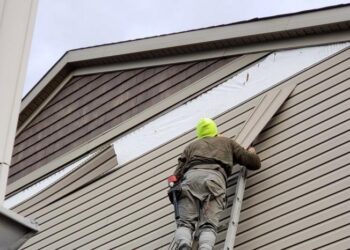

Exploring the world of siding for homes near me, this article aims to provide valuable insights in a captivating manner, ensuring a comprehensive understanding of the topic.
Delve into the various aspects of siding materials, factors to consider when selecting siding, benefits of quality installation, and cost considerations for homeowners.
Types of Siding Materials
When it comes to choosing siding for your home, there are several materials to consider. Each type of siding material has its own unique characteristics and benefits that can enhance the look and durability of your home.
Vinyl Siding
Vinyl siding is one of the most popular choices for homeowners due to its affordability, low maintenance, and wide range of colors and styles. It is durable, easy to clean, and resistant to rot and insects. Many modern homes feature vinyl siding as it provides a clean and sleek look.
Wood Siding
Wood siding offers a timeless and natural look to a home, often preferred for its warmth and charm. Cedar and redwood are popular choices for wood siding due to their natural resistance to decay and insects. However, wood siding requires more maintenance in terms of staining and sealing to protect it from the elements.
Fiber Cement Siding
Fiber cement siding is a versatile option that combines the look of wood with the durability of cement. It is resistant to fire, rot, and insects, making it a long-lasting choice for many homeowners. Fiber cement siding comes in a variety of textures and colors, allowing for customization to fit different architectural styles.
Metal Siding
Metal siding, such as aluminum or steel, is known for its durability and low maintenance requirements. It is resistant to rot, insects, and fire, making it a reliable choice for harsh weather conditions. Metal siding can give a modern and industrial look to a home, often seen in contemporary designs.
Brick Siding
Brick siding is a classic choice that adds a sense of elegance and sophistication to a home. It is durable, low maintenance, and offers excellent insulation properties. Brick siding can be used as an accent or for the entire exterior of a home, providing a timeless appeal that can increase the value of the property.Consider the characteristics and aesthetics of each siding material when choosing the best option for your home.
Factors to Consider When Choosing Siding
When selecting siding for homes, there are several important factors to consider to ensure that you make the right choice for your property.Durability is one of the key considerations when choosing siding. You want a material that can withstand the elements and last for many years without needing frequent repairs or replacements.
Opting for a durable siding material can save you money in the long run and help protect your home from damage.Weather conditions also play a significant role in determining the most suitable siding option. Different materials may perform better in certain climates, so it's essential to consider the local weather patterns in your area.
For example, if you live in an area with high humidity or frequent rain, you may want to choose a siding material that is resistant to moisture and mold.Maintenance requirements vary depending on the type of siding you choose. Some materials may require regular painting or sealing to maintain their appearance and protect them from damage, while others are more low-maintenance and only need occasional cleaning.
Understanding the maintenance needs of different siding options can help you make an informed decision based on your preferences and lifestyle.
Types of Maintenance for Different Siding Options
When it comes to maintenance, different siding materials have varying requirements. Here are some insights on the maintenance needs of common siding options:
- Vinyl Siding: Vinyl siding is known for its low maintenance requirements, as it typically only needs to be cleaned with a hose and mild detergent to keep it looking fresh.
- Wood Siding: Wood siding requires more maintenance, including regular painting or staining to protect it from moisture and rot. It may also need to be inspected for signs of damage or pests periodically.
- Fiber Cement Siding: Fiber cement siding is durable and resistant to rot and pests, but it may require occasional repainting to maintain its appearance and protect it from the elements.
Benefits of Quality Siding Installation
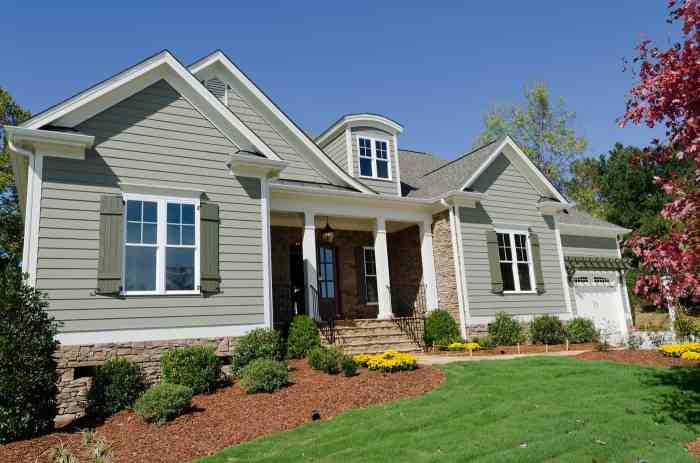
When it comes to the installation of siding for your home, opting for professional services can offer a range of benefits that can enhance the overall appearance and durability of your property.Proper installation of siding by experienced professionals can significantly improve the longevity and performance of the materials used.
Here are some advantages of quality siding installation:
Advantages of Professional Siding Installation
- Ensures correct and secure installation, minimizing the risk of damage or issues in the future.
- Professional installers have the expertise and tools to handle the installation efficiently and effectively.
- Quality installation can improve energy efficiency and insulation of your home, leading to potential cost savings on heating and cooling bills.
- Enhances the curb appeal and overall aesthetic of your property, increasing its value and attractiveness.
Finding Reputable Siding Installation Services
- Research online reviews and ratings of local siding installation companies to gauge their reputation and reliability.
- Ask for recommendations from friends, family, or neighbors who have recently had siding installed on their homes.
- Check for proper licensing, insurance, and certifications to ensure the company meets industry standards and regulations.
- Request quotes and compare prices from multiple installers to find the best value for your budget.
Impact of Proper Installation on Siding Longevity
- Correct installation techniques can prevent issues such as water damage, mold growth, and premature deterioration of siding materials.
- Properly installed siding can withstand harsh weather conditions and external elements, increasing its lifespan and durability.
- Regular maintenance and inspections following professional installation can help identify and address any issues early, prolonging the lifespan of your siding.
- Investing in quality installation upfront can save you time and money on repairs or replacements in the long run, ensuring your home remains protected and visually appealing.
Cost Considerations for Siding
When it comes to siding installation, cost is a significant factor that homeowners need to consider. The total cost of siding will depend on various factors, including the material used, labor costs, size of the home, and any additional features or customization.
Breakdown of Cost Factors
- The cost of siding materials: Different siding materials come at different price points. For example, vinyl siding is generally more affordable than cedar or fiber cement siding.
- Labor costs: Hiring professionals for siding installation will incur labor costs, which can vary based on the complexity of the job and the contractor's rates.
- Size of the home: The larger the home, the more materials will be needed, ultimately increasing the overall cost of siding installation.
- Additional features or customization: Any extra features like trim work, insulation, or decorative elements will add to the total cost.
Comparison of Initial Investment and Long-Term Savings
- Initial Investment: While some siding materials may have a higher upfront cost, they can offer long-term savings through energy efficiency and durability. Consider the long-term benefits when evaluating the initial investment.
- Long-Term Savings: Materials like fiber cement or insulated vinyl siding can provide energy savings by improving the home's insulation, potentially reducing heating and cooling costs over time.
Budgeting Guide for Homeowners
- Evaluate your budget: Determine how much you can afford to spend on siding installation without compromising on quality.
- Get multiple quotes: Reach out to different contractors to get estimates and compare prices to find the best value for your budget.
- Consider financing options: If the upfront cost is a concern, explore financing options to spread out the payments over time.
- Factor in long-term savings: Keep in mind the potential energy savings and durability of different siding materials when making your budgeting decisions.
Outcome Summary
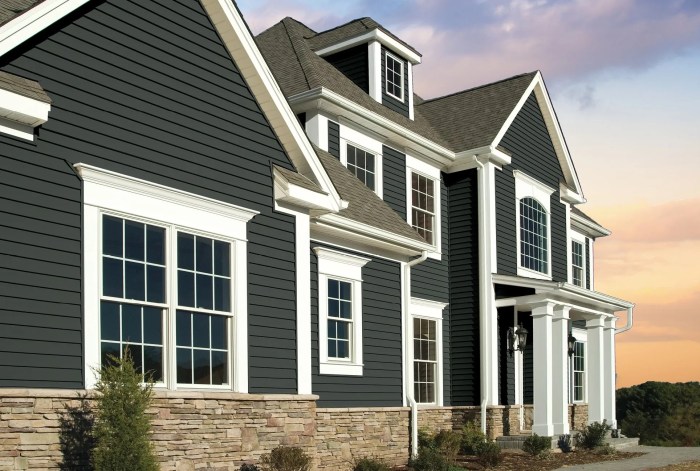
In conclusion, the importance of quality siding for homes near you cannot be overstated. With the right information and professional services, homeowners can enhance the durability and aesthetics of their houses, ultimately adding value to their properties.
FAQ Compilation
What are the most common types of siding materials used for homes?
Common siding materials include vinyl, wood, fiber cement, and metal.
How do weather conditions impact the choice of siding?
Extreme weather conditions can affect the durability and maintenance of siding materials, influencing the selection process.
Why is professional siding installation important?
Professional installation ensures proper fitting and longevity of siding, avoiding potential issues in the future.
What factors should homeowners consider when budgeting for siding replacement?
Homeowners should factor in material costs, labor fees, and long-term savings when budgeting for siding replacement.